
Metering hardware built for retrofits
Every node is wireless, battery-friendly, and designed to sit next to an existing meter without rewiring the building.
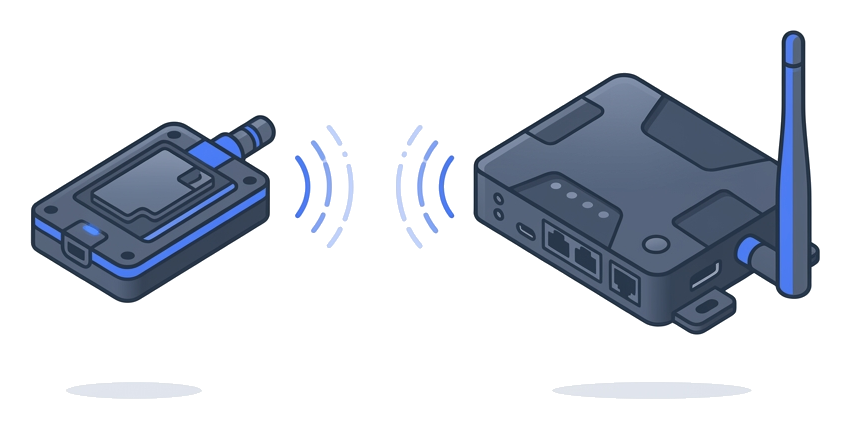
The devices in the field
Pulse counter node
Multi-channel nodes
LoRa mesh nodes & gateway
Third-party meter integration
From an impulse to a stored reading
- Step 1The counter node detects a pulse from the meter and increments its local count.
- Step 2The node pushes readings over MQTT on a per-device, per-channel topic to the gateway.
- Step 3The subscriber service picks up the message, validates it against the last known value, and persists it. It drops any reading lower than the current value to protect data integrity.
- Step 4The node model records liters per impulse, so raw pulses convert to real consumption units automatically.
Built to run unattended for years
Low-power design
Battery health monitoring
Encrypted end to end
No reading lost in transit
Pick the connectivity that matches the building
Wi-Fi
GSM / GPRS
LoRaWAN
Node configuration, such as the liters-per-impulse setting, is pushed to the device remotely over MQTT rather than requiring a technician to reconnect it.
The actual boards
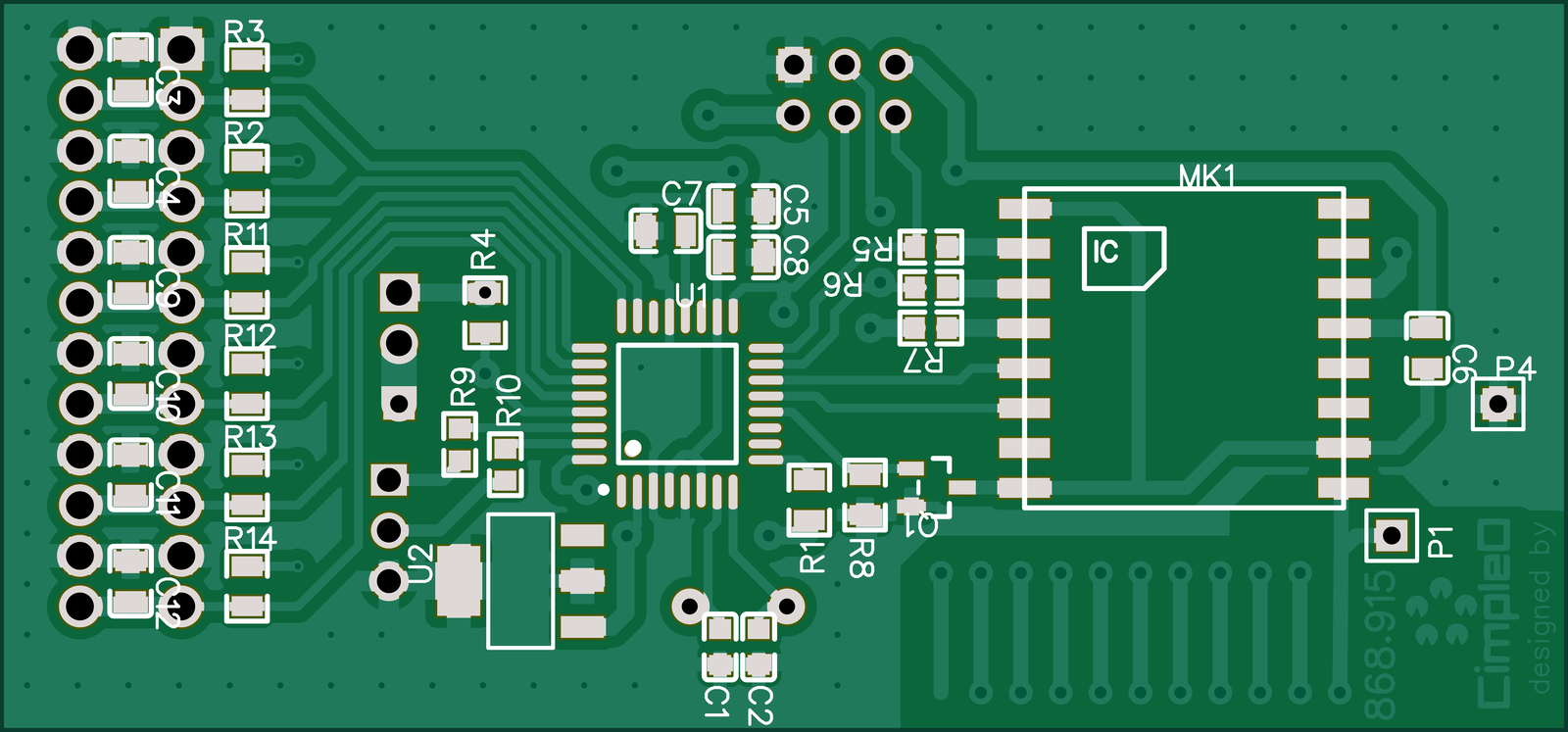
Pulse counter node
Built around an AVR microcontroller with a socket for the LoRa radio module, exported straight from the manufacturing Gerber files.
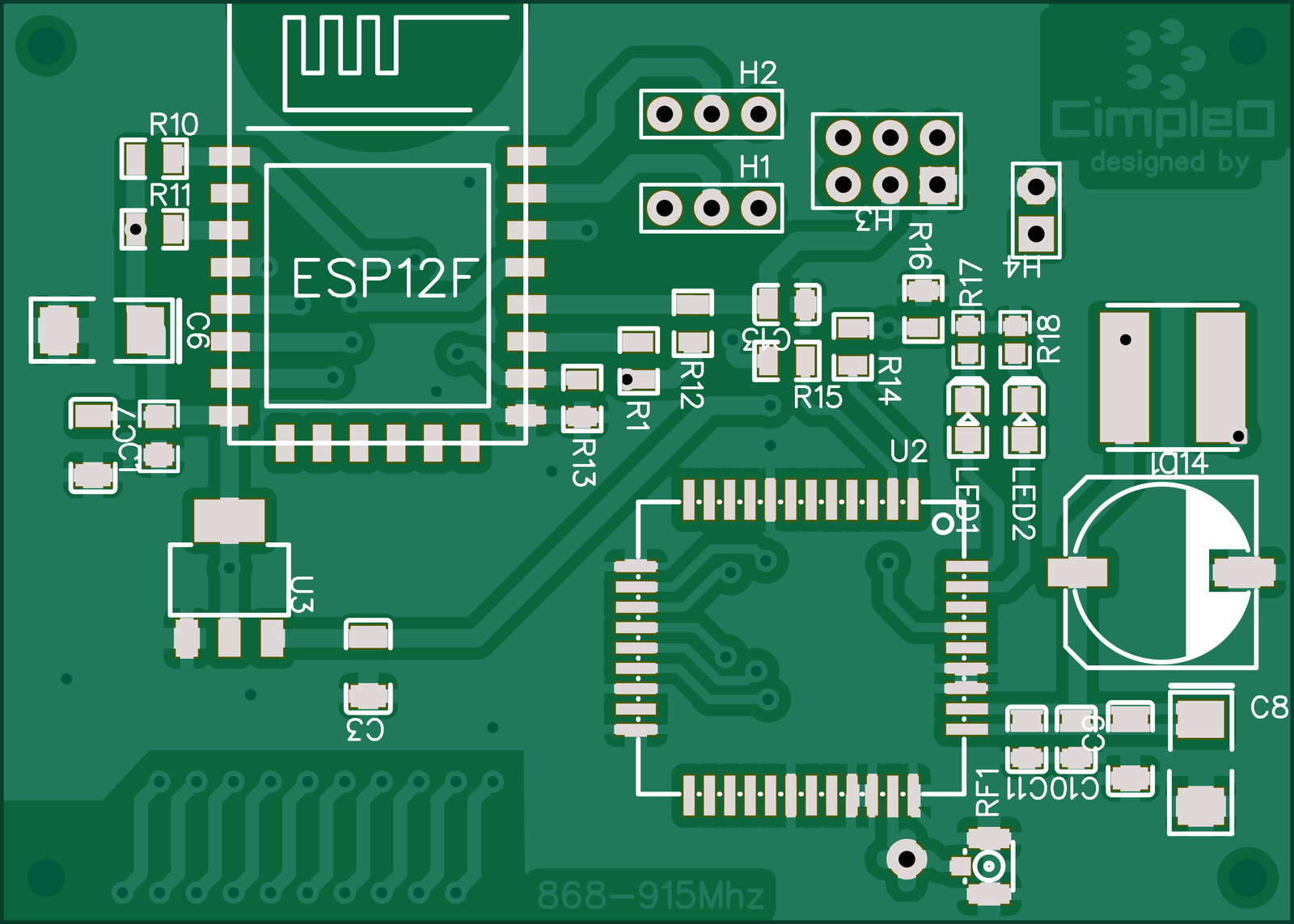
LoRa / GSM gateway
ESP12F Wi-Fi module plus the 868/915 MHz radio front-end that relays node readings to the cloud.
Since 2020, this hardware and the platform behind it have gone through well over 1,000 hours of tracked engineering work — firmware, mesh networking, and backend.
Need a hardware spec for your building?
Tell us the meter types and building layout, and we will put together the right device set.
Talk to engineering